Topic : What A Construction Manager Does And Why It Matters จันทร์ ที่ 12 เดือน มกราคม พ.ศ.2569 เข้าชม:
17
Start by :
Les IP : 192.126.237.XXX
A construction manager is central to the successful development, implementation, and delivery of construction endeavors. They serve as the key liaison between various participants including designers, technicians, subcontractors, owners, and government agencies. Their responsibilities go well beyond direct supervision of field staff; they are responsible for guaranteeing that projects are completed within schedule, under cost projections, and in full compliance with safety and Dallas Contractors performance benchmarks.
A fundamental duty of a construction manager is initial project design and scheduling. This involves formulating granular timelines, forecasting financial needs, assigning materials and labor, and forecasting hazards before any physical work begins. They study design drawings and compliance manuals to understand the scope of the project and convert them into executable tasks. Thorough preparation enables them to foresee bottlenecks, optimize vendor logistics, and obtain approvals ahead of schedule, minimizing disruptions during construction.
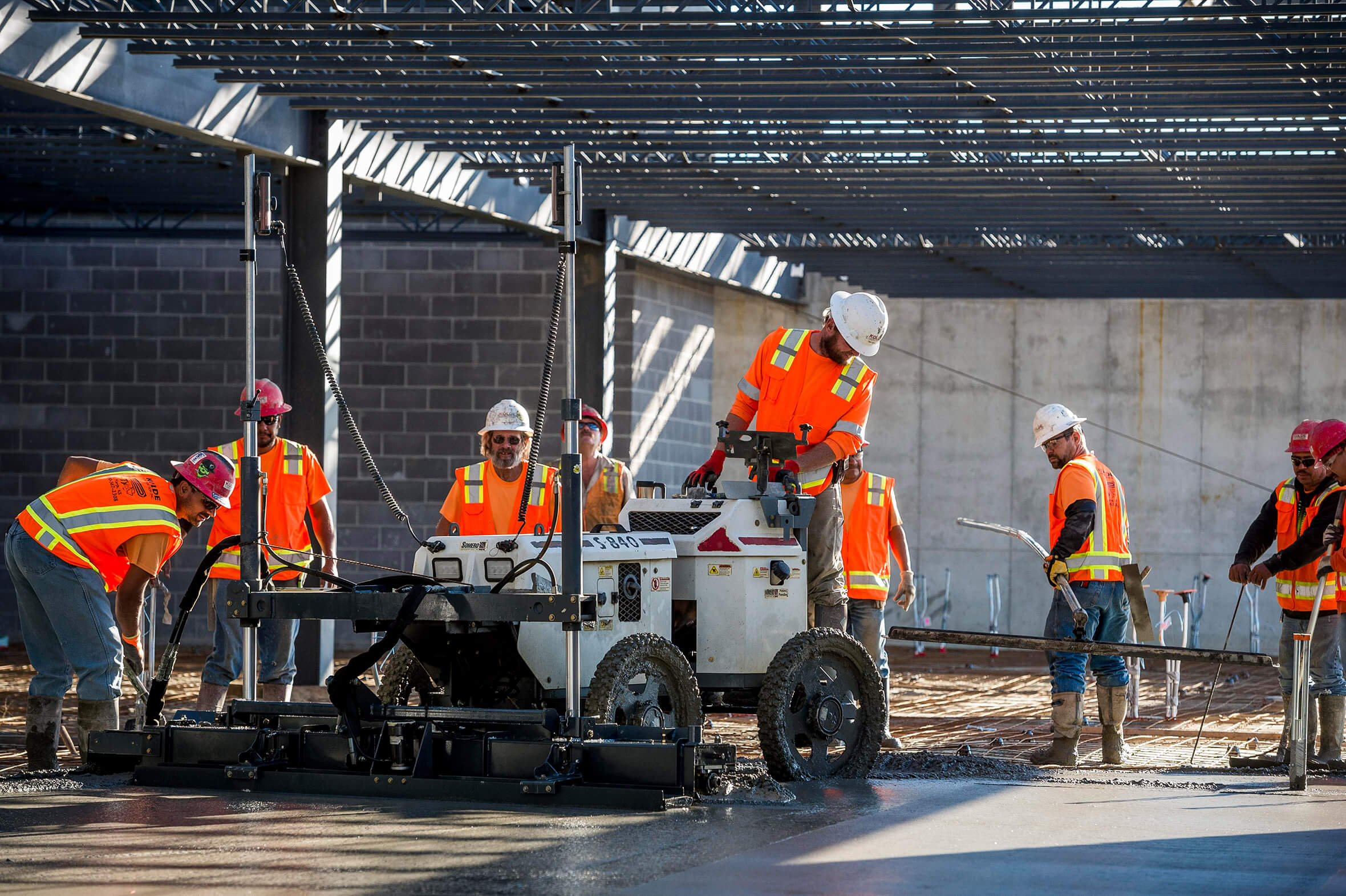
Across the entire construction timeline, the construction manager oversees routine activities at the construction location. They confirm alignment with approved plans and local ordinances. This includes conducting regular inspections, monitoring progress against timelines, and addressing any issues that ariseโ€”whether they involve supply delays, worker conflicts, or unforeseen ground conditions. Their presence on site helps facilitate seamless collaboration among disciplines and reinforces unified project priorities.
Budget management is another critical aspect of their role. Construction managers analyze spending patterns in real time, aligning outlays with budget benchmarks. They endorse invoices to third parties, bargain for better terms, and streamline purchasing processes without compromising quality. When budget overruns materialize, they assess alternatives and propose adjustments to maintain fiscal stability.
Safety is absolutely essential on site and the construction manager is held fully accountable for site safety. They implement safety standards, deliver mandatory workshops, and audit adherence to legal requirements. By fostering a culture of accountability and vigilance, they help minimize incidents and safeguard all personnel on site.
Alongside their engineering and logistical responsibilities, construction managers must possess strong interpersonal and communication skills. They frequently interact with clients to provide progress updates, respond to concerns, and manage expectations. They also serve as a translator between design intent and construction feasibility, making thoughtful choices that harmonize beauty, usability, and affordability.
In the final stages of construction, the construction manager manages punch-out walkthroughs, confirms regulatory filings, and executes project delivery. This includes preparing as built drawings, managing warranties, and addressing punch list items. Their meticulous follow-through during closing ensures that the end product meets all contractual obligations and client satisfaction.
Fundamentally, the construction manager is the linchpin of project success. Their ability to lead teams, solve complex problems, and manage multiple variables simultaneously makes them indispensable. Whether overseeing a small residential renovation or a large scale commercial development, their expertise ensures that structures are not only built correctly but also built to last.