Topic : Why LED Lighting Is Essential In Modern Educational Microscopes พุธ ที่ 7 เดือน มกราคม พ.ศ.2569 เข้าชม:
5
Start by :
Kelle IP : 192.126.237.XXX
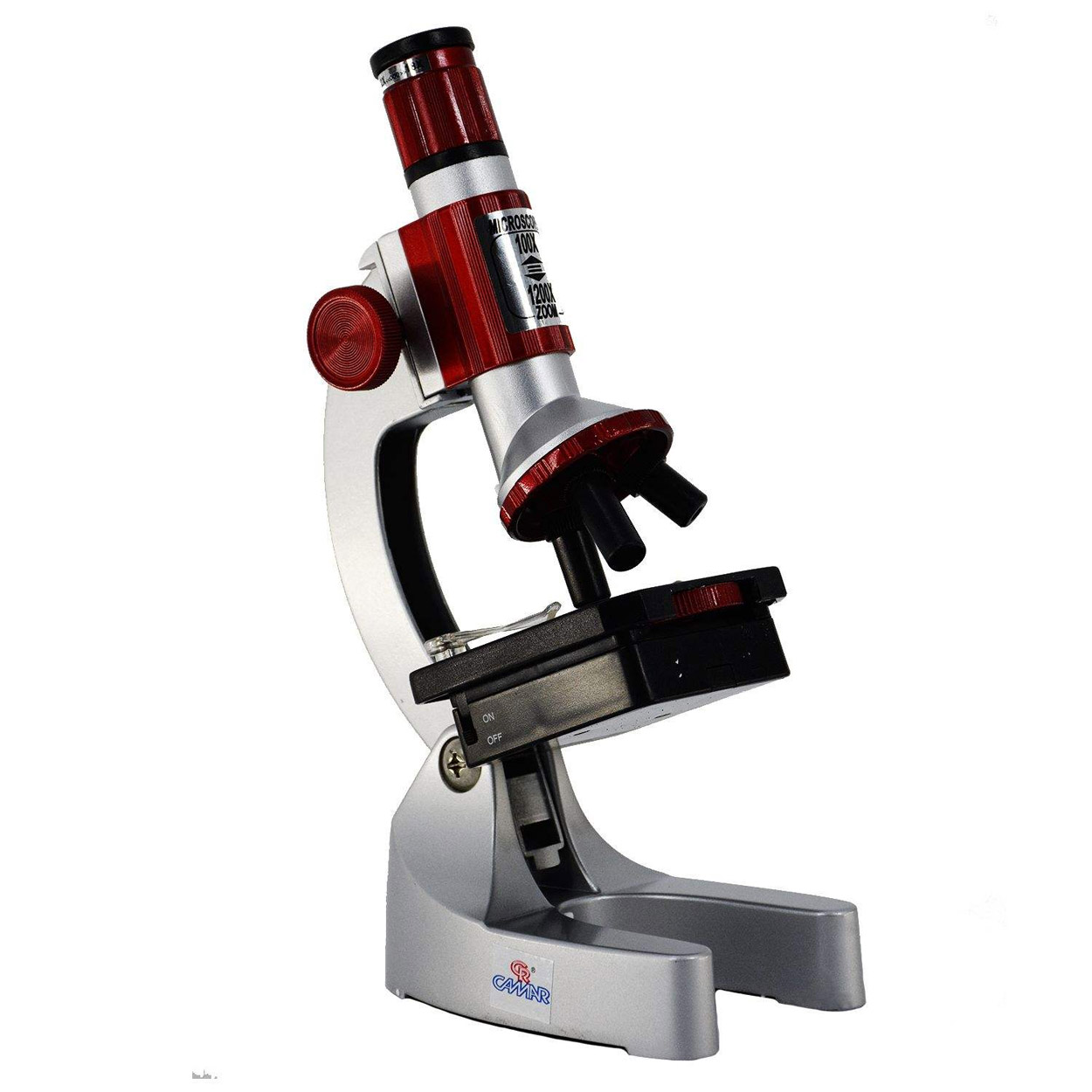
LED lighting has become an indispensable feature in modern educational microscopes due to its numerous advantages over traditional lighting methods such as halogen or incandescent bulbs. In school labs where young learners explore the basics of life and physical sciences, consistent and high quality illumination is critical for accurate observation and understanding. LED technology offers uniform, intense, and faithful color rendering that enhances image clarity and reduces eye strain during prolonged use. Compared to conventional filament bulbs, LEDs generate minimal heat, which prevents damage to delicate specimens and ensures a safer environment for young learners. Their energy efficiency also contributes to lower operational costs and a reduced environmental footprint, making them ideal for schools with limited budgets and sustainability goals. Additionally, LED lighting systems have a significantly longer lifespan, meaning fewer replacements and less maintenance downtime, which is crucial in busy educational settings. Modern LED microscopes often include adjustable brightness controls, allowing educators to tailor lighting conditions to different sample types and student skill levels. This adaptability supports a more inclusive and effective learning experience. off capability of LEDs eliminates the warm-up time associated with older bulbs, enabling smoother transitions between lessons and ุฎุฑ��ุฏ ู…��ฺฉุฑู�ุณฺฉู�ูพ ุฏุงู�ุด ุขู…ู�ุฒ�� maximizing instructional time. As educators seek technologies that blend pedagogical value with operational convenience, LED lighting stands out as a fundamental component of any modern microscope designed for learning environments.